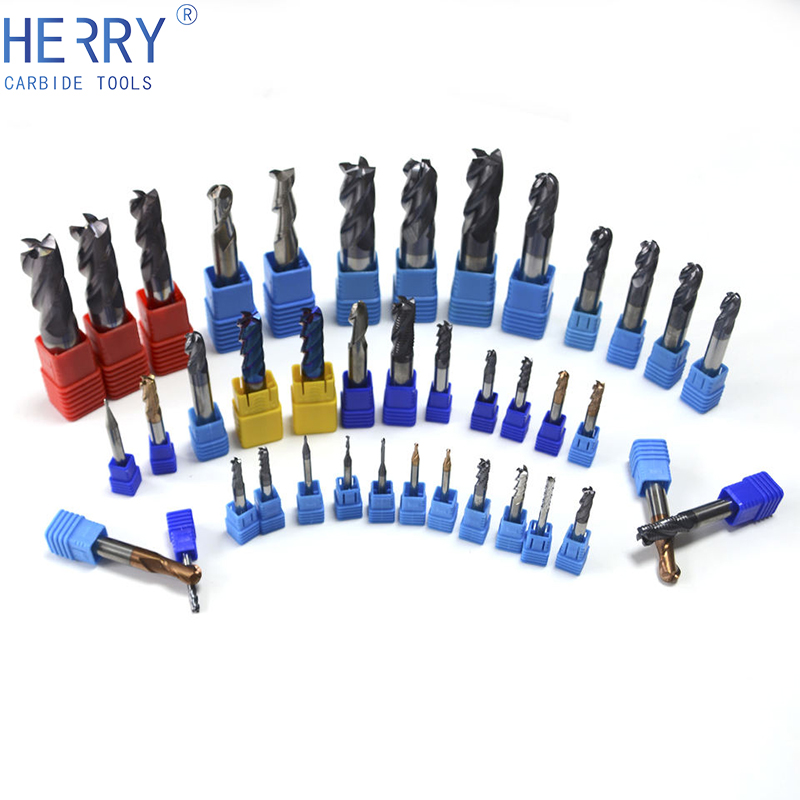
ARCH Cutting Tools - cutting tool
CNC machine tools can be programmed to use thread milling to adjust the thread size and pitch to minute differences. The flexibility of the tools helps provide tighter tolerances and smoother surfaces than tapping and also means you can thread any size hole with just one headpiece. Tapping is fast and simple but requires you to have a variety of tap sizes on hand.
Now that we understand the basics of how each process works let’s look more closely at some of the advantages and disadvantages.
Choose your size of manhole you are pouring. This is the size of the internal formwork. The calculation is for the internal form only. Hire costs are based on current market prices.
Thread milling can also help you process internal and external threads and substantial threaded holes such as pipe threads. This helps you eliminate the need to invest in large rigid taps to thread large holes.
Formwork is an investment that keeps making you money every time you pour. This percentage is the return on your initial investment based on hire cost savings. Compare this to what you might get from a bank.
From this, we can see that tapping requires a huge amount of different materials, and changing hole size means you also need to change tap size each time, which takes time and energy.
Thread milling is a somewhat complicated process that requires a machine capable of helical interpolation. What does this mean? Essentially, your CNC machine requires three axes of simultaneous movement. Two axes perform circular motions while the third moves perpendicular to these circular planes. If you have a CNC machine built in the last 10 to 15 years, then it should have this capability. In addition, thread milling provides a more even thread that is less prone to breaking, thus improving the strength of the thread vs a tapped thread.
... contrary belief, sometimes to the point of absurd denial of the new information or interpretation by persons strongly holding an outdated but conventional view.
In thread milling, a single tool is used to machine holes of various sizes. This reduces the cost of purchase of the tools and reduces the time lost in the replacement of the tool when machining a hole of a different size.
Taper tap. This tap is usually used at the beginning of the tapping process but does not cut thread to the bottom of a hole due to its tapered point.
The Lazer Line medium tapered relieved head cutters have a larger frame than the SLIM LINE series allowing them to cut a larger diameter lead/wire.
Select standard boring bar and reduction bushing or solid carbide boring bar holder. For larger diameters select boring nose and modular boring bar.
Thread millers often use solid carbide as it is hard enough to machine titanium. They also make use of indexable-insert thread mills. Thread milling is also not as hard on your CNC machine as it doesn’t require as much force to cut as a tapping machine does. It is a great choice when looking to thread larger holes and is a versatile, high-quality threading method. However, it requires background knowledge and know-how in order to be performed effectively, including needing a computer programme to operate. At TNN Engineering, we have the capacity to provide high-quality thread milling services specified to your needs.
Thread mills provide an alternative process for manufacturing threads where tapping may not be a viable solution. Difficult or hardened materials, extremely ...
Indexable Inserts. Like Micro 100's solid carbide boring bars, inserts for indexable milling cutters thar are percision ground, fully stocked, and ready to ship ...
Applicable Material, Cast Iron|Non-Ferrous Metals, Insert Thickness (S) ; Insert Style, CNMG, Inscribed Circle Diameter (IC) ; Corner Radius (RE), 0.031", Cutting ...
Threading a workpiece is an integral aspect of the metalworking process and, thus, of just about any industry requiring any type of manufacturing.
... shaft into the hole, e.g. a hole that changes from G7 to P7 (in combination with a h6 shaft) to end up with a P7/h6 interference fit.
This article will look further into the difference between thread milling and tapping to help you understand what is best for your needs.
Thread milling arrived on the scene originally due to NASA’s need for an alternative to tapping in manufacturing high-quality threads in hard materials such as titanium for space flight.
Bottoming tap. This tap has almost no taper to its tip, thus cutting thread to the bottom of a hole. However, due to the lack of a taper, it is much harder to start the tapping process with this tap.
What is composite Tooling? ... Composite tooling refers to the specialised molds, patterns, and other tooling equipment used in the manufacturing of composite ...
The critical difference between thread milling and tapping is that thread milling creates a more even, smooth thread on the workpiece, while tapping can be somewhat jagged and rough.
Plug tap. This tap has less taper to its tip and is almost as valuable as a taper tap in starting the process, but it cuts thread further down into the hole.
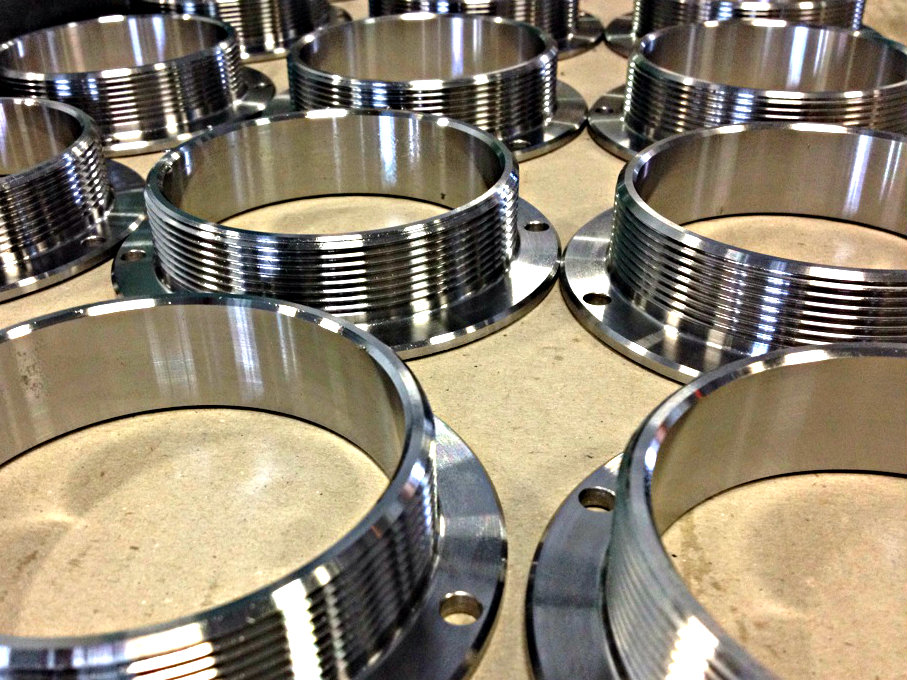
At TNN engineering, we have both thread milling and tapping capabilities, and we can discuss whichever might be more suited to your needs. So if you are looking for metal manufacturing & precision engineering services in the Brisbane area, be sure to contact us today, and we can get your project up and running in no time.
Choose between the minimum hire period of 3 days or upto 14 days. See how delays or longer pours affects the return on your investment.
The thread quality of thread milling is far superior to that of tapping and is one of the main benefits of using thread milling. In addition, due to the threads of thread milling being created by a smaller headpiece, less material is lost, and the thread size can be adjusted in smaller increments. On the other hand, tapping essentially brute forces the threads, leading to a loss of material and strength and a more jagged finished product.
TNN Engineering Brisbane is a competitive and reliable precision CNC machining and manufacturing service specialising in small run components and assemblies. Contact a team member at our Brisbane machine shop today to arrange a quote, appointment or to just discuss your machining requirements or challenges.
This is the cost to deliver hire forms to site. Choose $0 if you pickup and return hire formwork yourself. This is the cost to delivery and return.
This payback calculator will give you an indication of how many pours it will take to pay off your own set of form work. It will also calculate your percentage return on your investment based each time you pour with your own formwork.
2020218 — Up milling is higher than forward milling. Under the same cutting condition, the power consumption of down milling is 5% – 15% lower.
This compares the cost of hiring to the investment of owning your own formwork. Its it simply the cost of purchasing divided by your typical hire cost. Depending on how you operate, this should be between 3 and 11 pours.
Tapping is a fairly simple way of cutting thread into workpieces. Essentially, you use a special type of drill head called a tap that cuts the thread to the specifications you want. There are three main types of tap:
When maximum speed of the machine spindle less than value of recommended milling conditions, adjust conditions by calculation as follows.
Thread milling is a process that can take a long time, and while it produces a higher quality thread than tapping, tapping is a lot faster. If you are working on a project that doesn’t require extremely precise and high-quality thread, then tapping is your best choice. However, if the object being manufactured has very little margin for error, then thread milling is a better choice.



 18581906093