
Avoid Tool Interference and Part Damage when Face Grooving - face grooving insert
With a CNC lathe machine, the material or workpiece is held in place on the machine. It is mounted on a main spindle and rotated on various axes. CNC lathes are available with a number of axes, from two to six or more, which allow for the more complex components to be produced. The higher the number of axes, the more complex the machining capabilities will be. Changing the position of the axes affects the way the machined part is positioned, approached, and rotated. Cutting tools work on the material as it rotates to achieve the desired results. tools.
Sand casting is a metal forming process in which a mold is first formed from a three-dimensional pattern of sand, and molten metal is poured into the mold cavity for solidification.
Lathemachine
Global trade policies, supply chain issues, transportation and shipping capacity shortage are among many factors that impact customers in different regions around the world. It can impede customer demand, slow down supply chain capabilities and raise costs. Localized production and near-sourcing are the growing trends. To offset the hurdles and provide more vertically integrated solutions to North American customers, Impro’s high precision machining and casting operations are expanding into Mexico.
Investment casting is a metal forming process that generally involves using a wax pattern surrounded by a ceramic shell to form a ceramic mold. Once the ceramic shell is dry, the wax is melted out, and the ceramic mold is formed.
Procedure oflathemachine report
Impro is an integrated one-stop solution providers. In addition to our primary manufacturing process technologies, we have other in-house casting processes such as permanent mold casting and shell mold casting to satisfy aerospace customers’ need for precision aluminum castings. At Impro manufacturing facilities, our comprehensive heat treatment and laboratory services can ensure products are processed timely in accordance with exact specifications and customer requirements.
A wide variety of CNC machining tools is used to remove unneeded material in a precise manner, while meeting even the most complex design criteria of a piece. These machining tools include CNC lathes and turning machines, CNC milling machines, CNC laser machines, and CNC electric discharge machines. This article looks at the types of CNC lathe machining processes.
Lathe machiningprocess
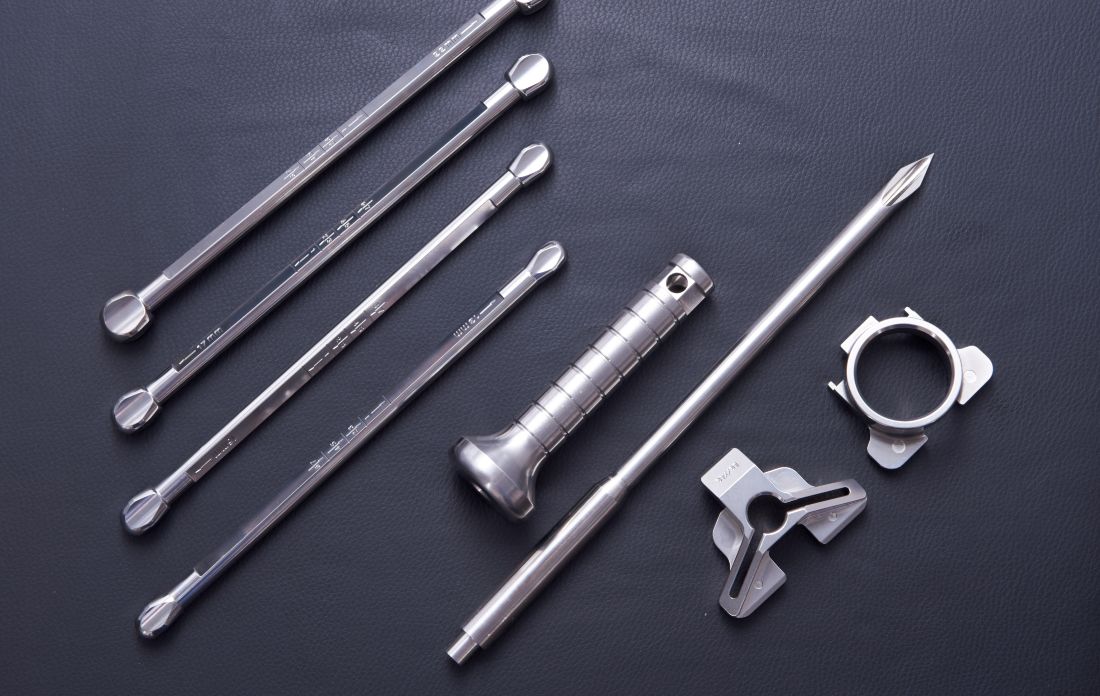
With their precise machining and increased speed capabilities, CNC lathe machining processes are used to provide precision machined components to OEM customers and system integrators for a diverse array of end-market applications such as healthcare, automotive, aerospace and electronics. CNC lathe machining processes can produce precision components ranging in size from surgical instruments and gears to airplane engine components and automobile frames.
lathe中文

Each plan will include the Vectric, for those using the Vectric software, design file with all of the toolpaths done for you, as well as the .SVG file. This file can be imported into any software of your choice and will come with all instructions, tool information, feeds and speeds you'll need to make setting up the toolpaths as easy as possible. Get started making something cool with plans from ToolsToday!
Lathemachine operations PDF
Leveraging advanced equipment, techniques, and an ability to offer one-stop solutions, Roland Berger’s 2019 Report ranked Impro as the 4th largest precision machining company globally. Catering to sectors including the automotive, hydraulics, aerospace, medical, and oil & gas industries, Impro provides a wide array of precision CNC machining solutions to our customers. If you are interested in finding more information about CNC lathe machining processes, please contact our team of experts today.
With their high degree of flexibility and programmability, CNC lathe machines are capable of completing many complex processes, including:
Precision machining is a process to produce accurate components with high tolerances and excellent surface quality by removing materials from a workpiece. It involves a combination of several or all of the turning, milling, drilling, gear cutting, honing, grinding processes, and other steps.
Milling machine
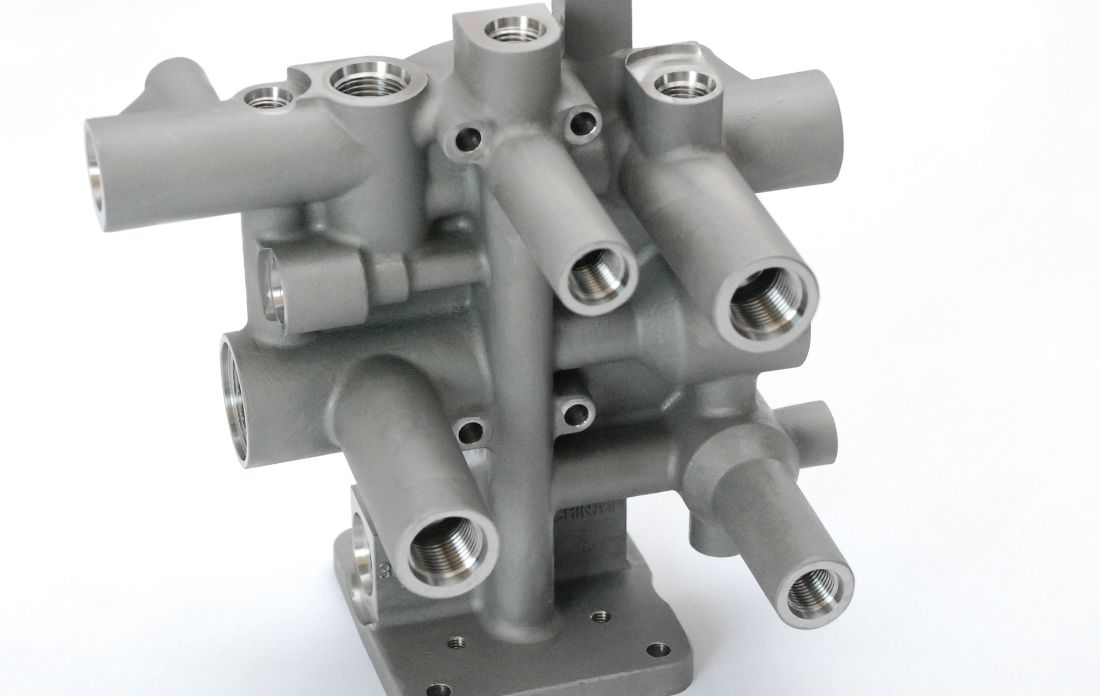
Our manufacturing capabilities cover the entire casting component production process, from tooling design and manufacturing, casting, secondary machining, heat treatment, surface treatment to finishing, enabling us to offer ready-to-use products and services to customers. overview:We offer comprehensive one-stop solutions that cover the precision component manufacture value chain throughout the entire product life cycle.
Surface treatment generally refers to a process to alter an object’s surface to enhance its appearance or functional properties. At Impro, surface treatment refers to electroplating, one of the most widely-used surface treatment techniques that provide broad coverage of coating metals and high cost-efficiency.
Want to make some of the cool CNC projects you’ve seen on ToolsToday? Now you can with these plans! Each plan is extremely detailed making it easy for you to make.
Many sophisticated workpieces require the use of precision machining after the casting process to achieve the final, desired qualities. Advanced, computerized machine tools are used in precision machining to satisfy the demanding tolerances, and create the most complex shapes required for so many of today’s high-tech components. Manufacturers use computer numerical control (CNC) machine tools to meet the demanding requirements for accuracy and high-volume production. In this way, a user’s unique designs can be converted into exact shapes through multiple dimensions.



 18581906093