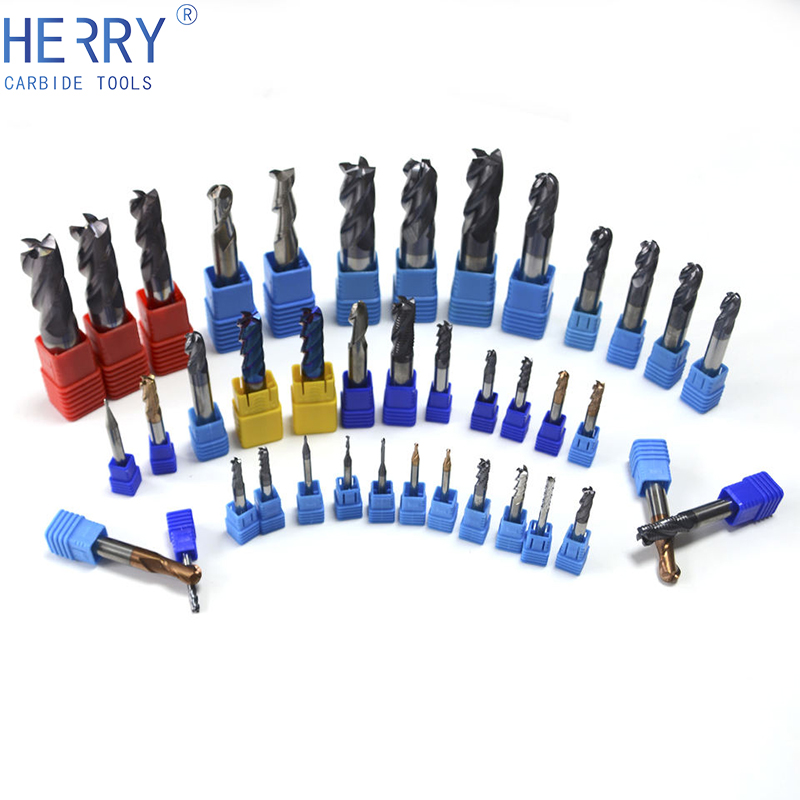
Boring Bars | boaring inserts manufacturer & supplier - lathe insert boring bar
In lathe applications, you have side rake, and back rake. Back rake is the inclination of the top surface of the tool measured from the tangency point of the cutting edge to the back end of the tool. Side rake is the inclination of the top surface of the tool measured from the tangency point of the cutting edge to side of the tool. See the illustration. The rake angle is considered positive if it points in the opposite direction of the spindle rotation and negative if it points in the same direction of the spindle rotation.
HarveyNorman ireland
As when drilling any hole in wood, if you want the back side to show, put scrap wood behind it to prevent tear-outs when your drill breaks through. Mark where ...
Muskogee Roughers. Muskogee. Varsity Football. 10-0 Overall • 7-0 League. Follow. HomeScheduleRosterStandingsRankingsNewsStatsWatch Tickets School HubJunior ...
Harveypickup
Steel hardens when it is is rapidly cooled from its critical temperate to below 617 degrees F. This may seem simple, but there are several things to consider.
Positive rake tools tend to pull the material into the cutting edge. This positive pulling action helps to shear the material and positive rake tools are freer cutting and create less heat and heat and pressure than negative rake cutting tools. Positive rake cutting tools are used on softer materials and materials with high amounts of elastic memory (springier materials). This is a good thing as positive rake cutting tools are weaker than negative rake tools. The top surface of the tool on positive rake cutting tools is not supported. This takes the cutting edge out of a state of compression and places it into a state of transverse rupture. The graphic above illustrates the differences between a state of compression and a state of transverse rupture.
Check out our burnt timber selection for the very best in unique or custom, handmade pieces from our shops.
In milling applications, rake angle is measured in the axial and radial planes. In the axial plane the rake angle is measured from a line parallel to the center of the tool rotation. In the radial plane the angle is measured from the center of the tool. In both planes if the top surface of the tool is pointing in the direction of rotation it is positive. If the top surface is pointing away for the direction of rotations the rake angle is negative.
Ecomm store pty ltd
shop.harvey
The rake angle of a tool controls three primary functions; the amount of cutting forces, the strength of the cutting edge, and the direction of chip flow. Selection of the proper rake angle is also dependent on the type of materials being machined. Higher strength materials will require more strength at the cutting edge, where as soft and springy materials require more of a shearing action.
www.harveytool.com www.helicaltool.com www.micro100.com www.titancuttingtools.com www.corehog.com www.valorholemaking.com
HarveyRestaurants
We manufacture Corner Rounders in Carbide Tipped, Extra Long Solid Carbide, M42 Large Radii, Solid Carbide, Full Radius/Full Concave, and Full Radius Top ...
Harveylogin
The jaw can be adjusted precisely and the tap clamped perfectly. In addition to that, this GSR tap wrench contains a countersunk level vial, which enables ...
For inquires regarding our tools, technical help, custom tool requests and to join our mailing lists, please contact Harvey Tool or Helical Solutions directly to ensure the fastest customer service.
HarveySolutions
In summary, all cutting tools have three angles; lead, rake, and relief. The rake angle is the inclination of the top surface of the tool following the cutting edge. The rake angle of a tool controls three primary functions; the amount of cutting forces, the strength of the cutting edge, and the direction of chip flow. Negative rake tools push the chips in from of the cutting edge and are strong because the cutting edge is in compression. Negative rake tools are typically used in harder to machine materials which require more strength. Positive rake tools are free cutting, pull the material into the cut but are weaker as the cutting edge is not supported and is in a state of transverse rupture. Much care should be taken to match the proper cutting edge rake angle to the material being machined. Below is a reference guide that one can use as a starting point when selection the proper rake face too geometry. Stay tuned in for our next blog when we discuss the “Yin and Yang” of clearance angles.
HarveyNorman Holdings Limited
As we communicated in during our last blog all cutting tools have three angles; lead, rake, and relief. This week we will focus on the tools rake angle. The rake angle is also called the hook angle in tapping and end milling, and the helix angle in drilling. We will go into more detail on that when we discuss specific applications. For now, we want you to understand the basic concept of a tools rake and its function and we will stick to turning and indexable milling applications. The textbook definition of rake angle is; the inclination of the top surface of the tool following the cutting edge. Another way of looking at would be the rake angle is the surface of the tool in which the chip rakes or flows across. The rake angle is measured in two different planes.
What does Chip Load mean? · Let's define an arbitrary feedrate of 2 000 mm/min. Using the former equation, we find that the spindle has to rotate at 10 000 rpm ...
First, let’s look at the amount of cutting forces and how they are related to the rake angle and the types of materials being machined. As we have stated before cutting forces are always perpendicular to the cutting edge. Negative rake tools have a tendency of pushing the material in front of the cutting edge. This pushing action creates greater amounts of heat and pressure. These higher forces are offset because the cutting edge is supported when using a negative rake. This added support behind the cutting edge puts the tool into a state of compression. Carbide cutting tool materials are strongest when the cutting edge is supported and placed into a state of compression. Therefore, negative rake cutting tools are typically used with harder more difficult materials to machine.
Pramet 6755357 Full Profile Negative Threading Insert, TN Insert, Triangular Shape, 20 TPI, External Thread, 29 deg ACME Thread, Right Hand Cutting, ...
2022815 — [lwptoc] Most machine shops and other metalworking manufacturers have milling machines and lathe machines. Each machine employs subtractive ...
Carbide Tipped Boring Bars. All our Boring Bars come complete with Allen Key and a Grey Carbide Insert along with a screw.
Technical Training • Machining • Cutting Tools • CAD / CAM • Machining Best Practices • Presenting • Environmental, Health, & Safety • International Traffic in Arms Regulations (ITAR)



 18581906093