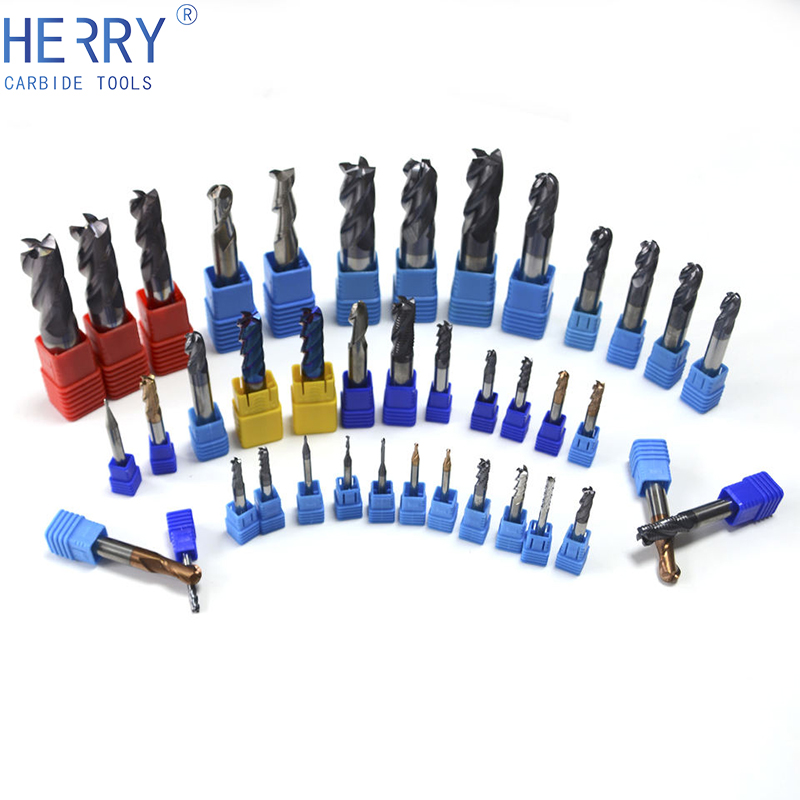
Brazed-Forming Tools-D Style - micro tool

Cutting tap vsformingtap
When using a Form Tap, chips are not formed, which means there’s no need to evacuate any part material. With thread forming, the tool is clear of any flutes as chip evacuation is not a concern. Rather than using cutting methods, Form Taps mold the workpiece together to produce the right thread.
Thread Forming Taps require a decent amount of lubrication. You might be wondering why that’s the case if chips aren’t being evacuated, and how does lubrication enter the part with such limited space between the tool and the perimeter of the hole being threaded? Despite the fact that chips aren’t being formed or evacuated, cutting oils aid the Form Tap as it interacts with the part material, ultimately reducing friction and heat generation.
Thread FormingTap set
Thread Form Taps require a larger pre-tap hole size than a cutting tap. These tools impact the sides of the hole consistently during the thread forming process and if the pre-tap hole size is too small, the tool would have to overwork to perform its job. This results in excessive tool wear, torque, and even breakage.

Thread Forming Taps are incredibly efficient, as their tool life is significant (15-20x longer than cutting taps), as they have no cutting edges to dull. Thread Forms can also run at a faster speed (2x faster than Cutting Taps).
OsgThread forming taps
When determining which Tap to use, the following formula can help a machinist select the proper drill size needed for creating the starter hole before a Thread Forming Tap is used to complete the application:
Form tap drill chart
In conventional tapping applications, as with most machining applications, chip evacuation is a concern. This is especially true in blind holes, or holes with a bottom, as chips created at the very bottom of the hole often have a long distance to travel before being efficiently evacuated. With form taps, however, chip removal is never a concern.
26 Garden Ave. Stoney Creek, ON L8E 2Y9 Tel: (905) 664-9531 Fax: (905) 664-2955 Email: [email protected]
Cut tap vs roll tap
Dynamite Tool Co. is a leading distributor of more than 300 lines of name-brand hand & power tools since 1977. Some of these vendors include Makita, Amana, DeWalt, Estwing, Jet, Husqvarna and Festool. We are also one of the industry leaders in all occidental leather products. We have been serving woodworkers, contractors, municipalities, state agencies, schools & hospitals for more than 40 years. We remain unique to the power tool industry because we are also a factory-authorized warranty repair center for more than 40 power tool manufacturers. We stock a full line of accessories and commonly used parts for everything we sell. Our sales staff is factory trained and nationally recognized as the most knowledgeable in the industry. Our volume purchasing allows us to offer our customers the lowest possible price every day. Furthermore, we warranty & guarantee everything we sell. Our service, quality tool repair and our knowledgeable sales representatives are the key ingredients attributed to our success.
Thread forming produces sturdier and more resistant threads than conventional tapping methods. This is due to the displacements of the metal grain in the workpiece. In addition, cutting taps produce chips, which may slow down the tapping process.
As a tooling solutions company, you will find us at the cutting edge of the toughest tapping applications. With several products to choose from, we select the one most likely to succeed in quality and performance. For all your tapping solutions, contact Epic Tool Today!
Not all materials work well for Thread Forming Taps. The truth is, attempting to use a tap with the wrong material can create major part and tool damage. The most suitable materials for this type of operation includes; aluminum, brass, copper, 300 stainless steel, and leaded steel. In short, any material that leaves a stringy chip is a good choice for cold forming threads. Materials that leave a powdery chip, such as cast iron, are too brittle, resulting in defective threads.




 18581906093