
BrickArms M27 IAR Tactical - tactical brick
By taking all of these factors into account, you’ll be well-equipped to select the right flat bottom drill bit for your project, ensuring optimal performance and desired results.
Even with its brittle nature, martensite is not inherently “bad.” While its brittleness can be a disadvantage in some applications, it’s not necessarily a drawback in all scenarios. Martensitic steel is hard with a resistance to slip, making it ideal in specific applications requiring rigidity and strength.
Grizzly Industrial, Inc. is a national retail and internet company providing a wide variety of high-quality woodworking and metalworking machinery, ...
Selection of a flat bottom drill bit requires consideration of both the workpiece and the drill bit material. The workpiece material can drastically affect the performance of the flat bottom drill bit, with harder materials requiring more force to drill and causing faster tool wear. Softer materials, on the other hand, can be drilled more easily, but may also cause faster tool wear due to increased friction. Hence, selecting the most suitable drill bit material for the workpiece is crucial for optimal performance and tool longevity.
One of the most common ways to non-destructively measure martensite in steel is X-ray diffraction. Martensite and other phases in steel have characteristic peak positions and intensities. When measuring martensite via XRD, you would use the peak data to quantify the amount of martensite. This might involve comparing the intensities of specific peaks corresponding to martensite with those of other phases and then interpreting this data in the context of the steel’s treatment and expected microstructure.
Flat bottom drill bits are meticulously designed for precision machining and creating flat-bottom holes, offering improved tool life and reduced need for multiple passes. These drill bits, also known as flat bottom tools, are perfect for minimizing burrs at the hole’s exit and leaving a smooth finish on the hole.
The ability of these tools to create precise intersections when drilling intersecting holes is truly impressive. Not only that, but flat bottom drill bits are also ideal for drilling on angled surfaces. Their unique design allows them to cut through the material at an angle, producing clean and precise holes even on thin plates without causing damage or deformation.
Flat bottom drill bits offer versatility in various drilling applications, including creating a flat bottom hole. They are suitable for:
Throughout this engaging blog post, we’ve explored the fascinating world of flat bottom drill bits, their types, applications, and techniques for using them effectively. From understanding their unique design and capabilities to learning about top brands and troubleshooting common issues, this knowledge will empower you to confidently choose and use the right flat bottom drill bit for your projects.
Bob is responsible for the development and implementation of the popular G-Wizard CNC Software. Bob is also the founder of CNCCookbook, the largest CNC-related blog on the Internet.
Flat bottom drills and end mills have different designs and capabilities, making them suitable for various machining tasks. Flat bottom drills are specifically designed for creating flat-bottomed holes, with their unique design enabling them to generate more even downward forces, reducing the likelihood of issues like chatter. End mills, on the other hand, are primarily used for milling and cutting radially (side to side).
Sedox Performance offers high-quality performance ECU remaps (chip tuning) for ... info@sedox.com. Our newsletter. Sedox Newskletter. I agree to the terms ...
To make the best choice, be sure to consider the following factors when selecting a flat bottom drill bit for your project:
The rate at which the austenite cools down and solidifies plays a critical role in determining its final state. If the cooling is done slowly, it allows carbon to diffuse out of austenite, forming ferrite and cementite or pearlite. On the other hand, rapid cooling or quenching leads to martensitic transformation, resulting in a much harder and brittle steel component.
Remember, troubleshooting is a normal part of any drilling process, and becoming proficient at identifying and resolving issues will only serve to enhance your flat bottom drilling skills. Staying vigilant and proactive ensures a smooth and successful drilling experience.
Please contact us today to learn more about our X-ray analyzer, or visit our blog for more retained austenite resources.
Furthermore, flat bottom drill bits work better in a drill press than in a handheld drill. The drill press provides a stable platform and reduces the risk of instability and vibration, which can negatively impact tool life and performance.
Using the correct speed and feed rate helps to reduce the amount of heat generated during drilling, which can extend the life of the drill bit. Applying the right lubricant is also crucial, as it helps to reduce friction and heat buildup, further improving tool life and performance. Moreover, keeping the drill bit sharp and in good condition ensures efficient cutting and minimizes the risk of damage to the material.
The creation of martensite is a matter of temperature manipulation. When austenite—a gamma-phase iron—is rapidly cooled or quenched, it transforms into martensite through a diffusionless phase transformation.
These top brands not only provide exceptional products, but they also offer expert support and guidance to help you choose the right drill bit for your project. Choosing flat bottom drill bits from Nachi, RobbJack, or Kennametal guarantees investment in a tool that promises outstanding performance and durability.
This quick transition leaves no time for carbon atoms to break away from the austenite, resulting in the formation of a martensitic structure that is supersaturated with carbon and rich in dislocations, which is the primary factor behind its strength. It’s important to note that to fully transform austenite into martensite before pearlite (a lamellar or layered structure in steel) can form, a very rapid quench is needed.
It’s important to understand that retained austenite is not inherently good or bad—its ideal value largely depends on its surrounding context. The amount of allowable retained austenite will vary based on the part’s application.
Use this rotary tool with our pin chuck set and drill bits to effortlessly drill holes. The Marathon Micromotor is a versatile hand power tool great for every ...
Martensiticsteelgrades
Drilling on angled and curved surfaces is yet another area where flat bottom drill bits shine. Their distinctive design allows them to cut through the material at an angle, producing clean and precise holes even on irregular surfaces. With such versatility, it’s no wonder that flat bottom drills are a popular choice among professionals and DIY enthusiasts alike.
What is a flat bottom drill bit used for? Flat bottom drill bits are great for a wide range of drilling tasks: Whenever you need a flat bottom hole Angle and Curved Surfaces Intersecting Holes Counterboring Drilling Thin Plates How to drill a flat bottom hole in wood? Flat bottom holes in wood are most often made with Forstner Bits. What is the purpose of pilot hole drilling? Pilot hole drilling provides a precise guide for larger drill bits, helping them to achieve more accurate hole placement the first time.
Retained austenite refers to the austenite that remains in steel after it’s been heat treated. This happens because not all of the austenite transforms into martensite during the quenching process.
There are various types of flat bottom drill bits available, each with its own unique features and benefits. Some examples include:
The subsequent subsections provide valuable insights into these factors, steering you towards choosing the ideal drill bit for your needs.
We suggest the optimal tools for "productivity improvement", which is our company's basic principle, stocking them from cutting tool manufacturers all over the ...
Optimizing tool life involves proper usage, maintenance, and storage of flat bottom drill bits to maximize their performance and longevity. There are several tips for optimizing tool life when using flat bottom drill bits, such as using the correct speed and feed rate, using the appropriate lubricant, and ensuring that the drill bit is sharp and in top-notch condition.
Additionally, martensitic stainless steel contains between 11.5 to 18% chromium and 1.2% carbon, making it incredibly durable, strong, corrosion-resistant, and a viable choice for many industrial applications.
This article will describe the primary differences between martensite and austenite, including their primary characteristics, how they’re formed, and how they each impact the mechanical properties of steel.
Martensitic stainlesssteelmicrostructure
In manufacturing, it’s common to hear steels described as either martensitic or austenitic. These are not just scientific terms but rather key components in understanding the behavior of steel itself.
Austenite, also referred to as gamma-phase iron, is a non-magnetic allotrope of iron or a solid solution of iron with alloying elements. Characterized by its face-centered cubic (FCC) crystal structure, austenite exists above the critical eutectoid temperature of 1000 Kelvin (727 degrees Celsius) in plain-carbon steel.
Using a drill press for flat bottom drilling offers numerous advantages, such as increased stability, precision, and longer tool life. A drill press ensures better results compared to a hand drill by accurately and precisely drilling holes in materials, maintaining proper alignment, and providing consistent hole shape and size.
The transformation is not just chemical but also physical, where a volume change occurs during the process due to the lower density of martensite compared to austenite. But remember, martensite is not an equilibrium phase. Its structure is easily modified by heat treatments, like tempering, which can be used to reduce brittleness by decreasing martensite content. This becomes an essential control in the hardness of heat-treated steel samples.
Martensiticsteelcomposition
Pilot hole drilling is an essential technique used to create a guide hole for a larger drill bit. This technique ensures that the larger drill bit is accurately aligned and will create a hole with the desired shape and size. Pilot holes are particularly beneficial when drilling into hard materials or when precision is crucial for the success of the project.
Martensitic stainlesssteeluses
In heat-treating processes to gauge temperature changes, the color of emitted light from cherry-red to orange-red corresponds to the austenite formation. Knowing when this formation occurs ensures that the austenite’s properties are brought out in optimal conditions, which is essential for manufacturers creating high-performance steels.
Austenite formation occurs during a process termed “austenitization.” In this process, iron, steel, or their alloys are exposed to heat, causing the crystal structure to transform from ferrite to austenite. This phase transformation occurs between 912 to 1,394 degrees Celsius, in which alpha iron undergoes the shift to gamma iron (austenite), which is soft and ductile and can dissolve more carbon.
Encountering issues during flat bottom drilling can be frustrating, but by identifying the cause of the problem and taking appropriate corrective action, you can quickly get back on track. Common flat bottom drilling issues include tool wear, improper technique, or incorrect drill bit selection. Addressing these issues ensures optimal drilling performance and a successful project outcome.
Are you ready to dive into the fascinating world of flat bottom drill bits? These versatile tools are designed for precision machining and creating flat-bottomed holes with improved tool life and reduced need for multiple passes. In this engaging blog post, we’ll explore the various types of flat bottom drill bits, their applications, and expert techniques for using them effectively. By the end of this journey, you’ll be equipped with a wealth of knowledge to confidently choose and use the right flat bottom drill bit for your projects.
Selecting the right flat bottom drill bit for your project involves considering factors such as material, hole diameter, and desired finish.
For instance, some engineers intentionally manipulate heat treatment processes to control the amount of retained austenite in a steel component, balancing it with other microstructures, such as martensite, to achieve desired mechanical properties like hardness, ductility, and wear resistance. Read this article to learn more about retained austenite.
While flat bottom drills excel in creating flat-bottomed holes, end mills, such as the versatile end mill, are more suitable for other machining tasks, such as side milling and cutting slots. Each tool has its own strengths and weaknesses, making it important to choose the right one for your specific project needs.
Join 100,000+ CNC'ers! Get our latest blog posts delivered straight to your email inbox once a week for free. Plus, we’ll give you access to some great CNC reference materials including:
Austenitic steel is a particular class of stainless steel that primarily contains austenite. What sets it apart is the high percentage of nickel and chromium that give it strength and an impeccable resistance to corrosion. A significant percentage of manganese and nitrogen may also be present in austenitic steels, and stainless steels with an 18/8 grade having 18% chromium and 8% nickel are the most common type.
Insoluble in water. Nickel catalyst is used to promote the chemical action in manufacturing synthetics and to process vegetable oil and petroleum. If exposed to ...
By implementing these corrective actions, you can overcome common flat bottom drilling issues and achieve optimal results.
Martensitic stainlesssteelcrystal structure
Flat bottom drilling techniques include pilot hole drilling, using a drill press, and optimizing tool life through proper usage and maintenance.
Lastly, using the correct drill bit for the material being drilled is essential for achieving optimal tool life. Different materials require different types of drill bits, and using an unsuitable bit can lead to excessive wear or damage. Adhering to these steps will put you on the path to maximizing the performance and lifespan of your flat bottom drill bits.
Hole diameter and finish are important factors in determining the appropriate flat bottom drill bit for a specific application. The desired hole diameter will depend on the application, with larger holes requiring larger drill bits and smaller holes needing smaller ones. Additionally, the desired finish of the hole plays a pivotal role in drill bit selection. A smooth finish is typically desired for aesthetic purposes, while a rougher finish may be preferred for better grip or other functional reasons.
The subsequent subsections delve into these techniques, offering expert tips and guidance to enhance your flat bottom drilling skills.
Like martensite, one of the most common ways to measure austenite in steel is by XRD. After taking measurements, you’ll analyze the X-ray diffraction patterns and compare the intensities of specific peaks. Again, specific peaks in the XRD spectrum correspond to austenite and martensite. By comparing the intensities of these peaks, you can quantify the relative amounts of each phase. The ratio of the intensities of austenite to martensite peaks provides the percentage of retained austenite in the steel.
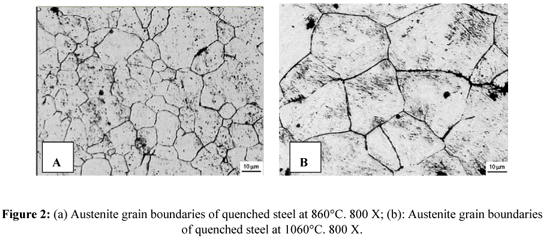
This type of steel is renowned for its high deformability and excellent formability. It can be easily formed and welded into any shape, making it an ideal choice for industrial manufacturing. Due to its high alloy content, it remains austenitic even at room temperature, making austenitic stainless steels non-magnetic when annealed and displaying slight magnetic properties when cold-worked.
Martensitic stainlesssteelgrades PDF
How to calculate spindle speeds on a lathe in both metric and imperial - A machine shop maths lesson.
Pilot hole drilling provides a precise guide for larger drill bits, helping them to achieve more accurate hole placement the first time.
Martensitic stainlesssteelproperties
AEM keeps large quantity stock of standard carbide rods as-sintered in 310mm or 330mm length, which diameter starts from 4 mm to 20 mm.
To perform pilot hole drilling, you’ll need a drill bit slightly smaller than the screw or nail you’re using. Start by drilling a small hole in the material, then insert the screw or nail. This technique not only ensures accurate and precise hole placement, but also prevents the material from splitting and makes it easier to join parts together.
When it comes to flat bottom drill bits, several top brands stand out for their high-quality products and expert support. Nachi, RobbJack, and Kennametal are among the best in the industry, offering a wide range of flat bottom drill bit options to cater to various applications and materials.
The portion of a drill that attaches to the chuck of a rotating mandrel is called the drill bits shank. The part of the bit that does not drill or grind is ...
Measuring austenite and martensite can be carried out using a variety of techniques, but X-ray diffraction is one of the most effective methods because it’s fast and can be performed without damaging the specimen.
Martensitic stainlesssteelyield strength
Interestingly, alloying elements such as nickel and manganese can stabilize austenite at lower temperatures. This property is the backbone of austenitic stainless steel that remains austenitic even at room temperature.
Flat bottom drills have a wide array of applications, making them indispensable tools for various projects. One such application is blind hole drilling, where the hole does not break through the surface of the material. Flat bottom drill bits excel in this process, providing clean and precise holes without damaging the material.
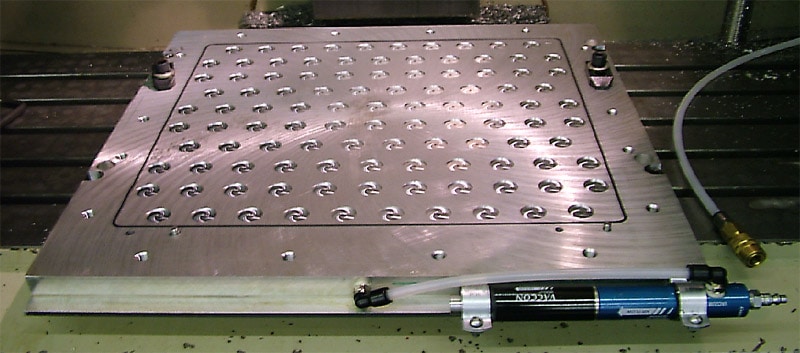
Another exciting application of flat bottom drill bits is counterbore drilling, the process of drilling a hole with a larger diameter than the hole being drilled. This technique is particularly useful when creating recesses for bolt heads or other fasteners, ensuring a flush and secure fit. Flat bottom drill bits make this task a breeze thanks to their unique design and cutting capabilities.
You can use Pulstec’s μ-X360s portable X-ray analyzer to perform reliable measurements of steel specimens. Our analyzer is capable of displaying the full Debye-Scherrer ring. The intensity and position of the diffraction peaks in this ring can provide valuable insights into the crystal structure of the material, including levels of martensite and austenite. It can measure residual stress in as little as 60 seconds and retained austenite in 90 seconds.
Drill bit materials also play a crucial role in the drilling process. Harder materials, such as solid carbide, are more durable and can withstand more force, but may also cause more burring at the hole’s exit. Conversely, softer materials, like high-speed steel, are less durable but may cause less burring at the hole’s exit. Ultimately, finding the right balance between drill bit material and workpiece material is key to achieving the best results and maximizing tool life.
202224 — To start, machinists should consult the manufacturers' speeds and feeds charts for the tool and consider decreasing them. Using an end mill with ...
Grizzly Industrial, Inc. is a national retail and internet company providing a wide variety of high-quality woodworking and metalworking machinery, ...
As you embark on your flat bottom drilling journey, remember that the key to success lies in understanding the tools, materials, and techniques involved. By doing so, you’ll be well-prepared to tackle any project with precision, accuracy, and confidence. So go ahead, embrace the world of flat bottom drill bits, and unlock your full drilling potential.



 18581906093