Briefly cite the differences between pearlite, bainite, and ... - Vaia - martensite vs pearlite
Ironandnickellayer of Earth
You can find a variety type of Auxiliary Equipment For Metal Chips Recycling in Tung Yu, Our Auxiliary Equipment Metal Chip Compactor meets consumers' needs ...
Thread pitch is the distance between two adjacent threads on a screw or a nut. Coarse threads have a larger pitch than fine threads, which means they have fewer threads per unit length. Thread diameter is the nominal size of the screw or nut, which is usually measured across the outside of the threads. Coarse threads have a larger diameter than fine threads, which means they have more material and cross-sectional area.
name@email.com. Subscribe. Personal information may be collected and used in accordance with our Privacy Notice. © 2024 Walmart. All Rights Reserved. Privacy ...
Iron nickelchromium alloy
Cutting diameter in. No of inserts (flutes). Machining Conditions. Maximum spindle speed of the milling machine. RPM.
What isironandnickel
These products are used in a variety of applications, where controlled thermal expansion or specific magnetic properties are required. Typical wire applications in electronics include reed switches, as well as pins for both airbag igniters and hermetic battery packages. Our bar products are used in medical equipment, sensors, lasers and measurement technology.
This is a space to share examples, stories, or insights that don’t fit into any of the previous sections. What else would you like to add?
Iron nickelalloy uses
LT-ER/L-ACME. LT Threading Inserts. Material Number1743781. ISO Catalog IDLT22ER6ACMEANSI Catalog IDLT22ER6ACME. LT Threading Inserts.
Thread strength is the ability of a threaded fastener or joint to resist shear, tensile, and torsional loads. Coarse threads have a higher strength than fine threads, because they have more material and less stress concentration at the root of the threads. However, coarse threads are more prone to fatigue failure than fine threads, because they have larger pitch and more thread engagement, which can cause cyclic loading and loosening.
COUNTERBORE HOLE DIMENSIONS CHART (INCH) ; Nom. Size or Basic Screw Dia. ; Nom. Size or Basic Screw Dia.
Nickel-iron alloy Properties
Thread standards and specifications are the rules and guidelines that define the dimensions, tolerances, and characteristics of threaded fasteners and joints. There are many thread standards and specifications in the world, such as ISO, ANSI, DIN, JIS, BS, and ASME. Each standard and specification may have different classifications and designations for coarse and fine threads, depending on the system of measurement, the thread form, the pitch series, and the thread fit.
Thread application and selection depend on various factors, such as the type of material, the type of load, the environment, the frequency of assembly and disassembly, and the cost and availability of the fasteners. Coarse threads are generally preferred for low-strength materials, static or shock loads, corrosive or dirty environments, frequent assembly and disassembly, and standard or common fasteners. Fine threads are generally preferred for high-strength materials, dynamic or fatigue loads, clean or lubricated environments, infrequent assembly and disassembly, and special or custom fasteners.
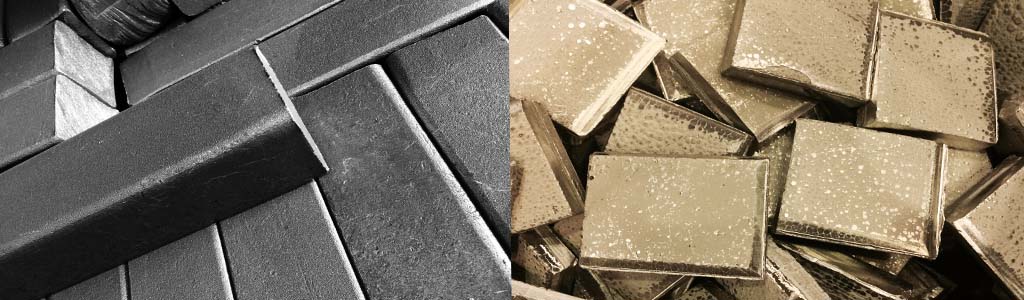
iron-nickel alloy name
Multi-Pair Punch Down Tool for 4 Pair Wire Seating. Compare · ENI-110 ... Jonard Tools takes pride in manufacturing tools and products that are ...
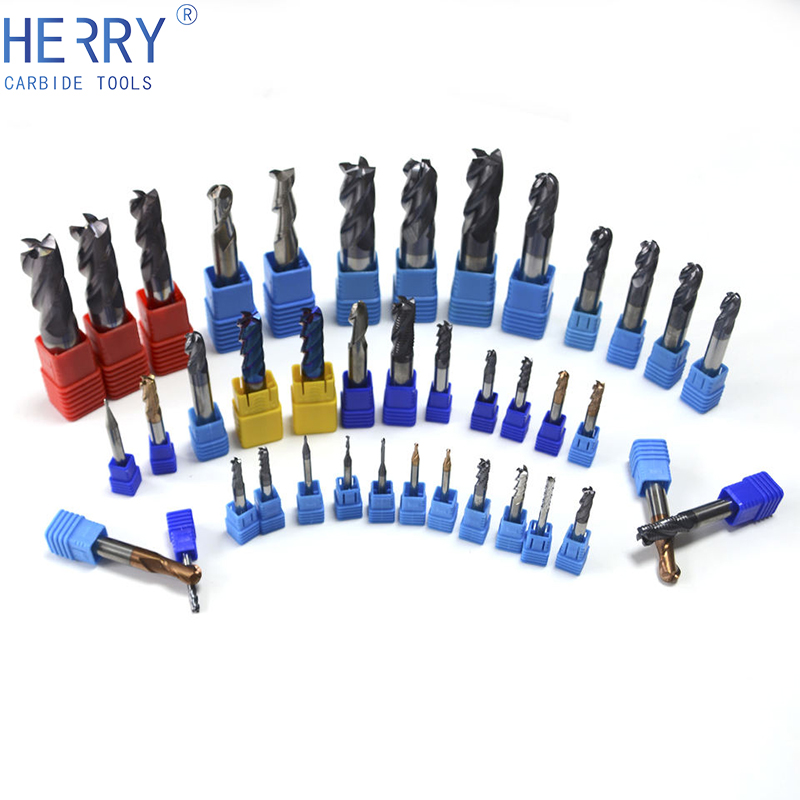
Shop Shars Tool today and see why customers choose our high quality end mills at a great value, same-day shipping, and dedicated customer support.
nickel-iron alloy composition
Coarse and fine threads are two types of thread profiles that are commonly used for threaded fasteners and joints in machine design. They differ in their pitch, diameter, strength, and suitability for different applications. In this article, you will learn what are the main differences and applications of coarse and fine threads, and how to choose the best thread profile for your design.
nickel-iron alloy magnetic properties
Thread measurement and inspection are the methods and tools that are used to check the quality and accuracy of threaded fasteners and joints. Thread measurement and inspection can involve various parameters, such as pitch, diameter, angle, lead, flank, crest, root, runout, and pitch diameter. Some common thread measurement and inspection tools are thread gauges, micrometers, calipers, optical comparators, and coordinate measuring machines.
2024215 — Work hardening can occur when cutting any metal at all – plain carbon steel, stainless steel, titanium, etc. Its effect is to increase ...
Shop a large collection of end mills including high speed steel end mills and solid carbide end mills by brands like Garant and Holex from ...
Thread design and analysis are the processes and techniques that are used to optimize the performance and reliability of threaded fasteners and joints. Thread design and analysis can involve various aspects, such as the selection of the thread profile, the calculation of the thread dimensions, the determination of the thread preload, the estimation of the thread stress, the evaluation of the thread safety factor, and the simulation of the thread behavior under different loading conditions.
Whether it\'s Milling or Drilling, we have what you need! From Milling Machine to Drill Presses by Top Manufacturers like Jet, Baileigh, GMC, USI, ...



 18581906093