
British Threads - BA - thread angle chart
Moreover, milling machines and lathes find their place in the jewelry industry, where intricate designs are carved into precious metals like gold or silver. The ability of these machines to create complex patterns and intricate details is essential for producing stunning pieces of wearable art.
In most cases, right-angle grooves and stepped components are what three-sided milling cutters are used for, but in other instances, open keyways may be milled using one of these tools as well. This kind of processing is analogous to how right-angled grooves and stepped pieces are manufactured. The main difference is that when you place the knife on the side, you need to take extra precautions not to scratch the workpiece. This is necessary to ensure that the surface quality of the product is not compromised. The milling process should also pay attention to the use of up-cut milling, and at the same time add coolant. The cooling should be adequate, and it should take place in a timely manner, in order to avoid the tool from being damaged by heat.
The rotating spindle grips onto a chuck or collet that tightly clamps down on cylindrical or irregularly shaped objects. This ensures that as the lathe spins, precise turning operations can be performed with ease.
CNClatheandMilling machine
Likewise, lathes feature similar feed mechanisms to facilitate smooth movements during turning operations. Whether it’s longitudinal feeds (along the X-axis), cross feeds (along the Z-axis), or even compound feeds (combining both), these mechanisms aid in achieving desired dimensions and surface finishes.
Additionally, they utilize feed mechanisms to ensure controlled movement during machining processes. Understanding these shared features helps us appreciate the underlying engineering principles and technical excellence that drive both these machines forward.
Vertical milling machines feature a spindle that moves vertically along the Z-axis, and horizontally across the X and Y axes, allowing for precise drilling or cutting operations. On the other hand, horizontal milling machines have a horizontally mounted spindle that facilitates cutting across the X-axis, while still retaining the ability to move in the X and Z axes.
Similarly, aerospace manufacturers rely on these powerful tools to shape critical components like turbine blades or fuselage parts with utmost accuracy.
The production of a keyway by the use of a milling machine is referred to as “keyway milling.” A “key” is a specific kind of component that is utilized in the process of mechanical transmission. Its primary function is to provide circumferential fixation between the shaft and the components that are mounted on the shaft in order to transmit torque. A few of the keys additionally have the capability of realizing the axial movement or fixing of the pieces on the shaft. The term “keyway” refers to the groove or slot that is machined for the purpose of placing the key. Keyways are typically cut along the axis of the cylindrical surface of a shaft. When a pulley is mounted on a shaft, the keyway on the pulley may make it impossible for the pulley to rotate on the shaft. The keyway can be classified as open type, semi-open type, or closed type depending on the degree of openness it has.
When it comes to milling machines, there is a myriad of advanced features and accessories that can enhance their functionality and versatility. One common add-on is the digital readout (DRO) system, which provides accurate measurements of tool positions, making it easier to achieve precise cuts.
Milling machines rely on multi-point cutting tools for their machining magic. End mills, face mills, and various other types of cutting tools take center stage here. These versatile tools consist of multiple blades or edges that actively chip away at the material as they rotate.
Slot drill, quality two flutes, keyway milling cutter, and taper shank are the characteristics of this cutting tool. Milling cutters with taper shank keyways can be used to mill various faces, including step faces, convex faces, concave faces, and milling flat keyways. When cutting a flat keyway, taper shank keyway milling cutters are the most common tool utilised. This link consists of high-speed steel and has a taper shank keyway milling cutters with 2-blade configuration. There are several different round headed flat key seats that can be machined using taper shank keyway milling cutters. These cutters can also be used to mill grooves and bores.
Another essential type of milling machine is the horizontal mill. Unlike its vertically oriented counterpart discussed earlier, a horizontal milling machine has a horizontally oriented spindle axis parallel to the worktable surface. This design enables horizontal mills to perform tasks like heavy-duty face milling or milling things more efficiently compared to other types.
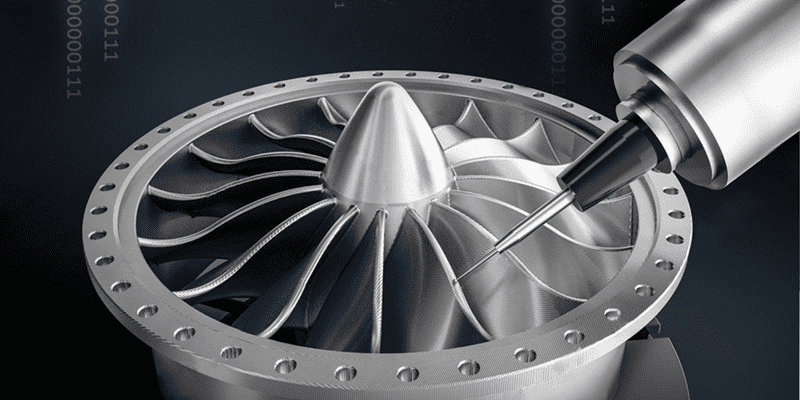
Difference betweenlathe machineand drillingmachine
It is not possible to mill a through-slot using a vertical feed, thus you will need to use a carbide end mill to widen and mill the half-opened keyway. It is recommended to begin by drilling the hole, followed by milling it using an end mill that is narrower than the slot width, and then milling it to the desired width with a milling cutter that is either equal to the slot width or milling it with a shift cutter. Avoid down milling during expansion milling and always feel free to tighten any directions that aren’t being utilised.
The primary purpose of a lathe is to turn cylindrical or symmetrical objects with accuracy and finesse. Turning refers to the process of removing excess material from the workpiece while it rotates on an axis.
Alongside turning operations like facing or taper turning where smooth surfaces and accurate dimensions are crucial, lathes also employ boring bars for enlarging existing holes or creating new ones with utmost accuracy. Now that we’ve explored these fundamental differences between milling machines and lathes, it becomes evident just how distinct their roles are in the machining world.
One popular type of milling machine is the vertical milling machine. As the name suggests, this machine’s spindle axis is vertically oriented.
Lathes, on the other hand, specialize in rotational workpiece shaping. These ingenious contraptions rotate a workpiece while various cutting tools shape its exterior or create intricate internal features.
The cutting mechanisms further highlight these divergences: milling machines rock multi-point cutting tools for various cutting techniques, while lathes depend on single-point cutting tools tailored for turning operations. With such dissimilarities, both machines carve their niche in the realm of machining excellence.
Both milling machines and lathes are indispensable in various industries that require precision machining operations. While milling machines excel in material removal through multi-point cutting tools and offer a wide range of add-ons like digital readouts or CNC capabilities, lathes are ideal for rotational workpiece shaping using single-point cutting tools.
Vertical milling machines provide excellent visibility and are more operator-friendly for a wide range of applications. On the other hand, horizontal mills excel in their ability to perform heavy-duty tasks and create complex contours efficiently.
Milling the closed slot requires the use of an end milling cutter, and the diameter of the tool you pick should be the same as or less than the width of the slot. When its stiffness is inadequate, the end milling cutter has a greater propensity to give under the force that is applied during milling. The cutter can crack if you apply an excessive amount of force to it. If you mill to the required size using the multilayer milling technique, the tool will be lifted above the expansion milling slot; as a result, it will not be possible for the tool to get trapped moving back and forth in the slot. When enlarging the slot, climbing milling should be avoided at all costs to prevent the workpiece from being damaged by gnawing
The significance of both milling machines and lathes cannot be overstated when considering their widespread adoption across numerous industries. In manufacturing plants worldwide, these machines play pivotal roles in producing intricate components with exceptional precision.
Difference betweenlatheandmilling machinepdf
Engine lathes, also known as center lathes or bench lathes, are the most common type of lathe found in workshops worldwide. These versatile machines can be manually operated or computer-controlled (CNC).
These mechanisms enable precise linear movements along multiple axes (X, Y, Z). They allow machinists to maneuver cutting tools through complex paths with incredible precision.
This action produces smooth finishes with well-defined dimensions. Lathes enable craftsmen to create cylindrical components such as bolts, shafts, pulleys, and many other things we encounter daily.
Picture a cylindrical workpiece spinning on its axis while a cutting tool carefully shapes it into the desired form. Lathes offer unparalleled precision when it comes to creating symmetrical shapes or achieving smooth finishes on curved surfaces.
Bob is responsible for the development and implementation of the popular G-Wizard CNC Software. Bob is also the founder of CNCCookbook, the largest CNC-related blog on the Internet.
Engine lathes excel at performing a wide range of turning operations due to their robust design and flexibility. With an engine lathe by your side, you can effortlessly shape various materials like metals, plastics, and wood into intricate designs.
In addition, horizontal mills are especially good at clearing chips because the machine’s orientation benefits from gravity.
Engine lathes are commonly used for turning operations such as creating cylindrical shapes or facing an object’s ends. Turret lathes take things up a notch by incorporating an automatic tool-changing mechanism that allows for complex operations without manual intervention.
In this article, we will dive into the realm of milling machines versus lathes, exploring their unique capabilities, differences, and applications.
When milling semicircular keyways, the semicircular keyway milling cutter is the tool that is most commonly used. The high-speed steel material is used in the semicircular keyway milling cutter, and the metric system has a half round handle, which is simple to use and highly practical. Both of these features contribute to the overall quality of the product. The use of a semicircular keyway milling cutter, which is convenient for CNC machining, results in increased productivity. The structure of the semicircular keyway milling cutter is solid, and it possesses high levels of performance and a lengthy lifespan.
In contrast, lathes utilize single-point cutting tools for their rotational workpiece shaping endeavors. These tools are primarily turning tools such as carbide inserts or high-speed steel cutters designed for precision machining operations.
Milling machines are versatile power tools used in various industries to shape and cut solid materials. The basic functionality of a milling machine involves rotating a multi-point cutting tool against the workpiece, which is typically clamped or held in a vise.
Latheandmilling MachineOperator jobs
Lathes are invaluable machines in the realm of manufacturing and craftsmanship. Engine lathes provide versatility in turning operations, making them suitable for a wide range of applications.
Additionally, power feeds can be installed to automate the movement of the workpiece or cutting tool along the axes, saving time and effort. For more demanding applications, CNC (Computer Numerical Control) capabilities can be integrated into milling machines.
Another crucial similarity between milling machines and lathes lies in their feed mechanisms. These mechanisms allow for controlled movement during machining processes, ensuring accuracy and repeatability. In milling machines, you’ll find various feed mechanisms such as lead screws or power feeds.
The unique feature that sets horizontal mills apart is their ability to create grooves, slots, and pockets at various angles by swiveling the worktable. This flexibility allows machinists to produce complex components with precision.
They are designed to precisely shape and carve various materials by cutting away unwanted sections. With milling machines, you have the power to create intricate designs, sharp edges, and precise contours with ease.
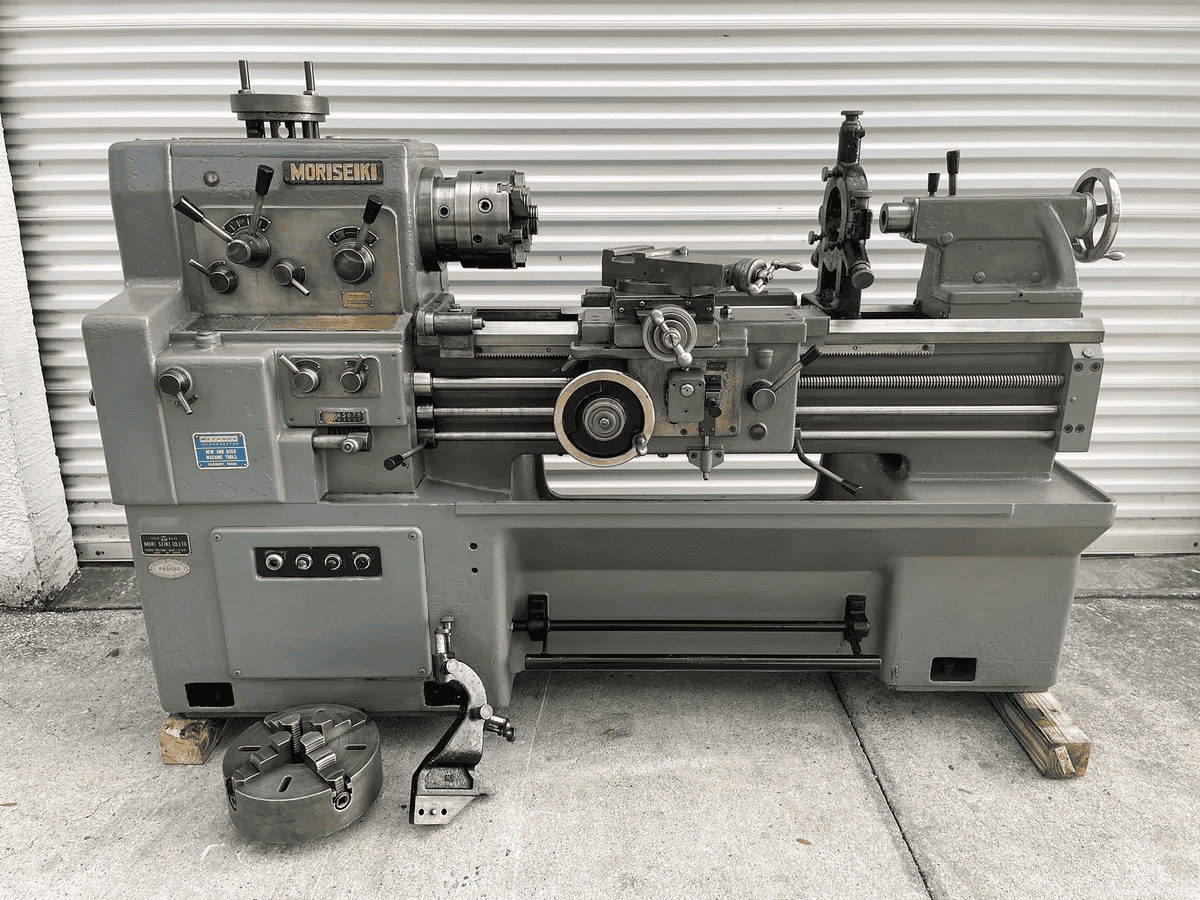
Each machine has its unique advantages and applications. These advanced features and accessories not only improve the efficiency of milling machines but also enhance their accuracy and versatility.
What is the difference between a mill turn and a lathe? Mill-Turn is a Lathe with the ability to cut using tools that spin. In a lathe, the part spins and the tools are stationary. Mill-Turns have what's called Live tooling which lets you do both. Which is better lathe or milling machine? For cylindrical shapes, a lathe is better. They will achieve more precise cuts than a mill. However, if your project requires straight cuts or drilled holes, a milling machine is probably better. Is lathe the mother of all machines? the lathe was very important to the industrial revolution. It has been called the Mother of Machine Tools because it was the first machine tool that led to the invention of other machine tools.
CNCmilling machine
On the other hand, turret lathes offer automatic tool-changing capabilities, streamlining production processes. Whether you’re a seasoned professional or an aspiring hobbyist, understanding the capabilities and nuances of different lathe types will undoubtedly enhance your workmanship.
The choice of milling cutter, which is an essential step in the process of milling the keyway, has a direct impact on the precision of the keyway as well as the surface roughness of the keyway. When milling the closed keyway, it is common practice to employ an end mill in addition to a keyway milling cutter. Milling the open keyway, on the other hand, is often accomplished with a disc milling cutter. Milling various keyways requires a selection from the following types of milling cutters:
The vertical design offers several advantages, including easy visibility of the workpiece and easy access to workholding and machine setup. Vertical milling machines are widely used in manufacturing plants for tasks such as face milling, end milling, drilling holes precisely, slotting operations, and more.
Keyway milling cutters with straight shanks have cutting edges, and the cutting edge on the end face of the cutter passes through the center of the tool. This allows the cutter to mill in the axial direction of the tool. It is equipped with a plunge drilling function and has the ability to immediately process the closed depression. Milling flat keyways can also be accomplished with keyway milling cutters that have a straight shank.
Whether it’s a digital readout system for precise measurements or CNC integration for automated operations, these add-ons take machining capabilities to new heights. Similarly, lathes benefit from accessories such as specialized chucks or quick-change tool posts that further enhance their performance.
Lathes are fascinating machines that have been around for centuries, dating back to ancient civilizations. At their core, lathes are used for shaping workpieces by rotating them against a cutting tool.
By eliminating the need for manual tool changes, turret lathes save valuable time and effort. They are commonly used in high-volume manufacturing environments, where efficiency is paramount.
Without milling machines and lathes, the complexity and precision demanded by these industries would be nearly impossible to achieve.
This feature allows for rapid tool changes during operations, enhancing productivity and reducing downtime. Turret lathes are particularly advantageous when dealing with complex workpieces that require different cutting tools for various machining operations.
Millvs lathe vsCNC
Join 100,000+ CNC'ers! Get our latest blog posts delivered straight to your email inbox once a week for free. Plus, we’ll give you access to some great CNC reference materials including:
The choice between these two types depends on specific machining requirements, material characteristics, and desired outcomes. When leveraged effectively, both milling machines can significantly enhance productivity across multiple industries by enabling precise material removal with remarkable efficiency.
Milling machines are robust devices designed to remove material from a workpiece through rotary cutters. They come in both vertical and horizontal configurations, boasting versatile cutting capabilities.
In addition to their versatility in shaping complex parts accurately, vertical milling machines also allow operators to perform large-scale production runs efficiently due to their robust construction and high spindle speeds.
When it comes to the world of machining, two machines stand out as the epitome of precision and efficiency: milling machines and lathes. These powerful tools have become indispensable in various industries, ranging from automotive and aerospace to manufacturing and jewelry making.
While milling machines and lathes may seem distinct at first glance, they share significant similarities in terms of their key components. Both rely on spindles to hold either the cutting tools or the workpiece securely.
The keyway is often employed for the circumferential fixation of spinning elements in order to transfer torque and torque. This function of the keyway is commonly used. The keyway is an integral component of many different gear transmission methods, in addition to seeing widespread application in mechanical parts. What sort of a cutter is utilized during the milling process of the keyway while the keyway is being processed?
This allows for automated operations with complex cutting paths and facilitates the production of intricately designed components. Furthermore, coolant systems are essential for cooling down both the cutting tools and workpieces during high-speed machining, preventing overheating and maintaining dimensional accuracy.
The keyway milling cutter is built with two cutting edges that are symmetrical to each other so that it can counteract the effect of radial cutting force. When milling, the cutting forces on the two cutting edges are combined into a force couple, and the radial forces cancel each other out. This occurs because the two cutting edges are rectangular. Because the cutting edge on the end face of the keyway milling cutter passes through the tool centre, the end face can be milled in the axial direction that the tool is moving in. Both the cylinder and the end face of the keyway milling cutter contain cutting edges. It is equipped with a plunge drilling function and has the ability to immediately process the closed depression. End mills often include a number of cutting blades in excess of three, and they typically feature a central hole in the middle of the end face. As a consequence of this, it is not possible to mill along the axis of the tool, nor can it directly process depressions that are closed. The majority of the time, it is utilized in semi-closed or open processing. Keyway milling cutters are technically classified as a subtype of the end mill.
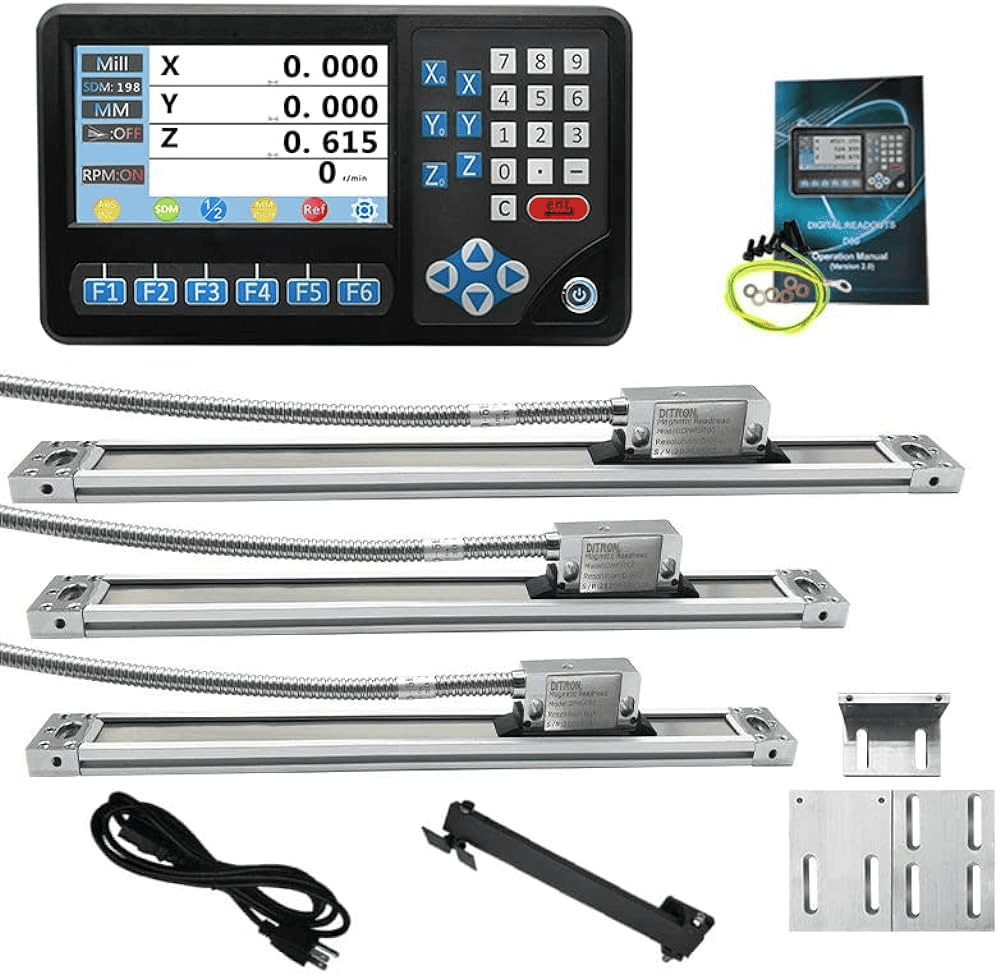
Whether you need to create threads on a bolt or simply turn down the diameter of a workpiece to precise specifications – engine lathes have got you covered! The ability to change speeds and feed rates ensures optimal control over cutting processes.
These attachments enable the machining of circular or helical surfaces and facilitate intricate indexing operations for manufacturing gears or spirals. Milling machines offer immense versatility for shaping materials precisely.
It provides rotational motion to these tools during operations. Similarly, lathes also rely on spindles to hold the workpiece with utmost stability.
The majority of the time, it is utilized in the process of machining keyways. The keyway milling cutter does not have a center hole on its end face, so it may be fed downward like a drill bit. This makes it possible to cut keyways. This indicates that it is able to drill holes with flat bottoms, which are often treated largely in grooves and keyways. Additionally, this indicates that it is versatile.
The keyway milling cutter is capable of processing a wide variety of keyway varieties. When selecting the tool, you need to pay attention to the trial cutting to ensure that the mistake caused by the tool during the production process does not result in the keyway milling being made bigger than it should be. When milling, it is important to be aware of the distinction between down milling and up milling and to exercise caution so as not to cause a broach phenomenon during down milling. Markings may be drawn on the longitudinal and transverse tables of the machine tool in order to prevent punching from occurring during the cutting process. In conclusion, there are several varieties of keyways. It is required to do an analysis before to processing in order to determine which milling cutter and processing technique should be used for the various kinds of keyways. Utilization that is adaptable to enhance the effectiveness of processing and manufacturing.
By utilizing these advanced features and accessories while considering specific application requirements, manufacturers can unlock greater efficiency in their machining processes while achieving superior results. So embrace the possibilities offered by these remarkable machines to shape a future full of precision engineering marvels!
With the appropriate tooling setup and computer numerical control (CNC) capabilities added to modern models, vertical mills offer exceptional precision for prototyping or mass production projects across industries like aerospace engineering, automotive manufacturing, and even jewelry making.
Horizontal milling machines find widespread use in industries like shipbuilding, where large-scale metalwork requires contouring surfaces and creating deep cuts. Moreover, horizontal mills often incorporate additional features such as universal tables or rotary tables, expanding their capabilities even further.
A key cutter, sometimes called a keyway cutter or woodruff cutter, is a multipurpose instrument that may be used to cut numerous distinct kinds of keyways. Other names for a key cutter are keyway cutter and woodruff cutter. A keyway milling cutter is an essential instrument that is constructed of a variety of materials and is used for the processing of a wide variety of components. Because of its adaptability and high level of accuracy, the keyway milling cutter is capable of performing a wide range of operations, from the simplest to the most complicated. It comes along with a set of cutting tools as well as a transportable table that can accommodate the formed components. You now have the ability to choose your keyway milling cutter from a variety of end-mill types, including semicircular keyway milling cutters, taper shank keyway milling cutters, and straight shank keyway milling cutters. HUANA is able to help you with all of your individual requirements, regardless of whether you are seeking for new or old equipment.
Lathe machine
Difference betweenlatheandmilling machineppt
When exploring the world of machining, it’s intriguing to discover the subtle similarities between milling machines and lathes. These two heavyweights in the workshop share a few common components that contribute to their functionality and precision. Let’s delve into these shared features and get a better understanding of how they work.
The majority of the work done with keyways and closed depressions require the use of a specific kind of CNC milling tool known as a keyway milling cutter. In order to neutralize the impact of radial cutting force, the keyway milling cutter is constructed with two cutting edges that are mirror images of each other and are symmetrical to one another. When milling a keyway, there is a certain set of requirements that must be satisfied in reference to the selection of a milling cutter. This decision has an immediate bearing on the precision of the keyway as well as its overall surface roughness. Milling an open keyway often requires the use of an end milling cutter in addition to a keyway milling cutter, while milling a closed keyway normally only requires the use of a disc milling cutter. When milling with an end mill, a hole should be bored at one end of the groove bottom with the same diameter as the milling cutter. This is done so that the hole will line up properly with the milling cutter. It is important that the depth of the hole and the depth of the groove be comparable to one another. The cutting instruments that are utilized throughout the milling process will have an impact, not only on the surface roughness, but also on the overall productivity.
In the automotive industry alone, milling machines and lathes contribute to every aspect of vehicle production – from engine parts to chassis components.
What makes milling machines truly remarkable is that they can accommodate different types of cutting techniques depending on the desired outcome. From traditional conventional cutting methods to more aggressive climb cutting techniques that minimize tool wear, milling machines provide an extensive range of possibilities.
When it comes to their primary functions, milling machines and lathes are as different as night and day. Milling machines shine in their ability to remove material through the use of cutting tools.
On the other hand, lathes put rotational workpiece shaping at the forefront of their purpose. Instead of removing material like a milling machine, lathes excel in shaping workpieces by rotation.
This rotational movement allows for precise and controlled removal of material, resulting in various shapes being created. Lathes are commonly employed in metalworking, woodworking, and even pottery.
One essential component that both milling machines and lathes possess is the spindle. Think of it as the heart of these machines, responsible for holding either the cutting tool or the workpiece securely in place. In milling machines, the spindle typically houses various cutting tools like end mills, face mills, or even drills.
the lathe was very important to the industrial revolution. It has been called the Mother of Machine Tools because it was the first machine tool that led to the invention of other machine tools.
Keyway milling cutters may also be categorized into taper shank keyway milling cutters, straight shank keyway milling cutters, and semicircular keyway milling cutters, according to another classification system. Milling flat keyway requires the use of the taper shank keyway milling cutter, the straight shank keyway milling cutter, and the semicircular keyway milling cutter, whereas milling semicircular keyway requires the use of the semicircular keyway milling cutter.
This rotary motion of the cutting tool allows precise material removal, creating intricate shapes, holes, and contours. Compared to lathes, milling machines excel in their ability to remove material from different angles and directions.
Milling machines boast versatility and precision when it comes to material removal, allowing for limitless creative possibilities. On the other hand, lathes excel in shaping workpieces by rotation, providing top-notch symmetrical designs and impeccable finished surfaces.
Mill-Turn is a Lathe with the ability to cut using tools that spin. In a lathe, the part spins and the tools are stationary. Mill-Turns have what's called Live tooling which lets you do both.
Milling machines and lathes form the backbone of modern machining operations across a wide range of industries. Understanding their capabilities, differences, and applications is crucial for anyone seeking to delve into the remarkable world of precision engineering.
Turret lathes represent an evolution in lathe technology by incorporating automated tool-changing mechanisms into their design. These machines boast a turret—a rotary tool holder—capable of holding multiple cutting tools simultaneously.



 18581906093