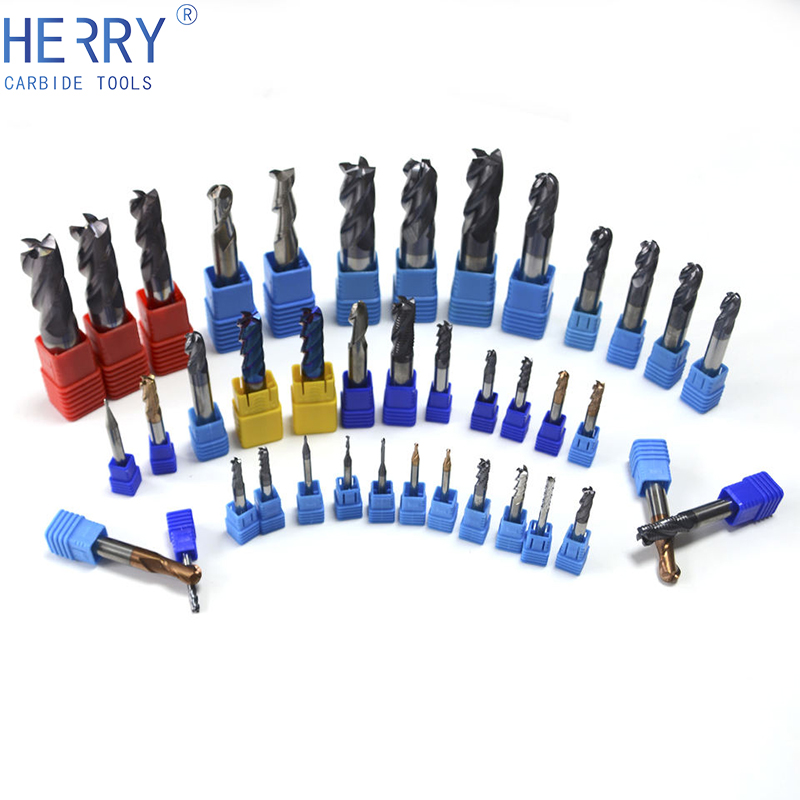
B & R Automotive & Machine Shop - b&r machine shop
Decreasing chamfer width proves effective in curbing tool deflection and subsequently suppressing chatter. For instance, when handling larger chamfers (C5 or higher), pre-machining the workpiece into a multi-stage hole shape using a drill or counterbore cutter helps reduce machining allowances and dampens vibrations during chamfering.
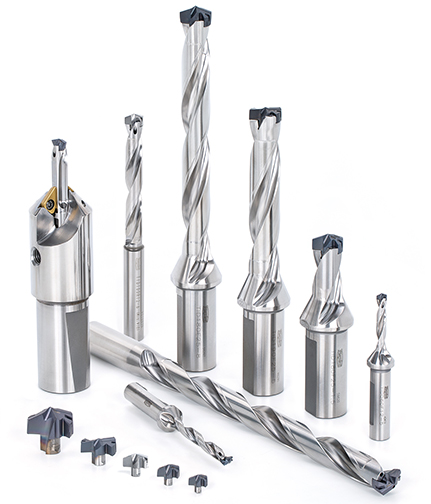
DrillMeister’s specialized exchangeable head drills revolutionize machining by merging innovative design with practicality, resulting in heightened machining accuracy, efficiency, and cost-effectiveness.
What is a chamferin engineering
The chamfer width exhibits irregularity, attributed to tool deflection and chatter, varying based on the machined area and the hole’s phase. As a solution, the measures shown in the previous section”Chatter in Chamfering Processes” are also effective in this case.
By averting stress concentration—focusing stress in specific areas—chamfering improves the fatigue strength of components. Stress concentration refers to the accumulation of stress in particular zones, while fatigue strength measures a material’s resilience against repeated stress cycles.
Chamferfillet difference
Chamfering serves more than just an aesthetic purpose; it yields numerous advantages, enhancing both product quality and functionality.
Basic technology was developed for recycling continuous carbon fiber from small commercially available CFRP tanks for scuba diving. The recycled continuous carbon fiber has no “twisting” or “fluffing” and can be handled in the same way as new carbon fiber. This enables a tank-to-tank circular economy through the repeated use of filament winding4.
Tungaloy highly recommends DrillMeister, an exchangeable head tool featuring a chamfer body that significantly enhances chamfering efficiency.
Chamfering is often used in cooking because cutting off the corners of vegetables prevents them from collapsing during cooking and allows the flavors to soak in more easily.
Explore the “Drawing System for Special Drilling Tools”! By inputting essential tool details, you can swiftly generate straightforward diagrams illustrating special drilling tools with chamfering functions.
Sometimes, reducing the number of inserts on the tool, such as transitioning from 4 to 2 inserts (or even down to 1 insert in specific cases) for indexable cutters, can help in damping chatter.
Chamferdistance
R-Chamfering involves a process dedicated to curving corners, notably effective in mitigating the risk of injuries. This method excels in ensuring smoother, safer edges.
Tungaloy´s main chamfering cutters, such as ECC and TungQuad, have a cutting edge design with a large rake angle that is optimized for chamfering.
Introducing an innovative solution for creating drawings of specialized drilling tools, which was previously a time-consuming process.
TUNGALOY CORPORATION 11-1 Yoshima-Kogyodanchi, Iwaki, Fukushima, 970-1144 Japan Phone: +81-246-36-8501 Fax: +81-246-36-8542 CONTACT FORM >
Chamfered edge
chamfer中文
For example, if you look at the four corners of a smartphone, you will notice that the corners are diagonal, rounded, and chamfered to prevent pain.
Effective chip management is crucial to prevent the entanglement of chips that might otherwise lead to tool damage or workpiece impairment. Similarly to the occurrence of “Chatter in Chamfering Processes,” this issue often arises during continuous machining, especially when chamfering around holes.
Opt for blades featuring substantial rake and helix angles alongside sharp cutting edges. This mitigates the radial cutting force, a primary contributor to chatter during chamfering.
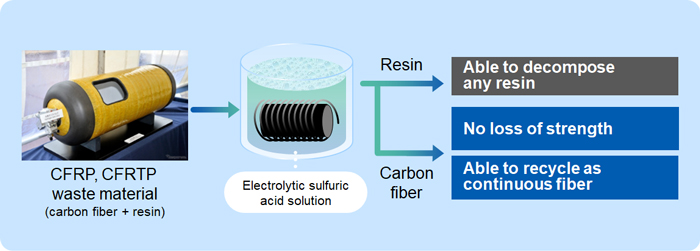
An “electrolyzed sulfuric acid method” was developed for the Project. The “electrolyzed sulfuric acid method” is a technology that uses oxidative active species3 generated by electrolyzing sulfuric acid to decompose the resin components of CFRP/CFRTP and extract and recycle carbon fibers. This technology has three features: (1) it can decompose any kind of resin, (2) strength of the recycled carbon fiber does not decrease, and (3) carbon fiber can be recycled as continuous fiber.
Utilize an indexable chamfering tool equipped with a chip breaker to curb chip extension and entanglement with the tool.
During chamfering, encountering chatter represents a notable issue. This phenomenon, known as chattering, becomes particularly problematic when chamfering around holes using a punching technique. A common occurrence is observed when executing a C chamfer with a 45-degree angle, resulting in a tool edge aligned at the same angle. This alignment escalates the cutting force, directing deflection towards the tool diameter.
Asahi Kasei is also developing CFRTP-UD tape (unidirectional tape, a unidirectional continuous fiber reinforced material) using the recycled continuous carbon fiber and Leona™ polyamide resin. Having higher strength than metal, CFRTP-UD tape is expected to be applied to automobile frames and bodies, further enabling the recycling of automobile parts into other automobile parts.
Moving forward, Asahi Kasei will perform demonstrations and develop the business, aiming for practical application around 2030.
The consistent use of new heads prevents performance decline and quality fluctuations often induced by re-grinding and re-coating. This approach guarantees stable, prolonged tool life and consistently high-quality machining results.
Employ a strategic approach of “step” or “dwell machining” during the machining process to forcibly break up chips. “Dwell machining” involves a temporary pause in feed progress while the drill spindle continues to rotate, aiding in chip fragmentation.
1Carbon fiber processed products with carbon fiber chopped into lengths of 3 to 24 mm 2A manufacturing process by which a product or material can be used and then turned into a new product without losing its properties during the recycling process. 3A substance that is highly oxidative and can decompose resin. 4A molding method in which rovings (continuous fiber bundles) are aligned and continuously wound at a predetermined angle around a rotating mold while being impregnated with resin.
Explore Tungaloy’s TungMeister line, featuring a diverse selection of exchangeable head tools designed for precise chamfering applications. These tools simplify tool replacement through their interchangeable heads. The TungMeister lineup includes three specialized head types—center drill, back chamfering, and R chamfering heads—ideal for both chamfering and spot drilling tasks, offering versatility to address specific machining needs.
Pythonchamferdistance
C-Chamfering represents a prevalent technique where edges are sliced at a precise 45° angle. Often, discussions surrounding “chamfering” primarily allude to this method. Practical directives such as “C1” are commonly employed in on-site procedures, indicating the removal of a 1mm width from the edge.
Chamfered parts contribute to a uniform finish when painted or plated, resulting in a high-quality appearance that enhances the overall aesthetic appeal.
The Project was adopted in May 2021 by the NEDO Feasibility Study Program on Energy and New Environmental Technology, which aims to discover technology seeds needed for medium- to long-term solutions in the field of energy and the environment, including energy conservation, new energy, and CO2 reduction, that are unlike existing technologies and can be applied in future national projects contributing to dramatically increased energy efficiency and achievement of a low-carbon society.
The conventional recycling technology recycles carbon fiber as chopped carbon fiber1. However, as chopped carbon fiber differs greatly from original continuous carbon fiber, it was necessary to develop individual composite technology. In contrast, the Project enables continuous carbon fiber recycling, allowing existing composite technology to be used, making it possible to achieve closed-loop recycling2 of the circular economy.
DrillMeister’s special chamfer employs inserts with chip breakers that effectively manage chips during chamfering, preventing elongation and entanglement, thus improving chip control.
Chamfervs fillet
Specifically, this involves removing sharp edges and burrs from the workpiece to form a flat, chamfered slope. This slope is generally machined at a 45 degree angle, but the angle may vary depending on the use and purpose.
Reducing rotation speed often resolves chatter, though this approach can impact machining efficiency and surface quality. Balancing these trade-offs and optimizing rotation speed effectively minimizes vibration.
The Asahi Kasei Group aims to contribute to a carbon-neutral and sustainable world from the perspective of “Care for Earth” by focusing on initiatives such as the use of biomass raw materials, recycled raw materials, and renewable energy. The company strives to meet the expectations of its customers and society by further advancing the provision of products and services with such sustainable characteristics while deepening collaboration with other companies based on its medium-term management plan for fiscal 2024 focused on the theme "Be a Trailblazer."
Machining materials with burrs or sharp edges can swiftly damage tools. Chamfering in advance minimizes tool wear, prolonging tool life and ensuring more efficient machining processes.
The Project, aims for practical application of a recycling system where carbon fiber derived from carbon fiber reinforced plastic (CFRP) or carbon fiber reinforced thermoplastic (CFRTP) discarded from automobiles is reused as CFRP or CFRTP for automobiles. By recycling carbon fiber discarded from automobiles as continuous carbon fiber, high-quality and inexpensive CFRTP can be provided, resulting in vehicle weight reduction and energy saving. This is also expected to economically benefit and strengthen the competitiveness of Japan’s leading carbon fiber and automobile industries.
Asahi Kasei has developed basic technology for recycling continuous carbon fiber under a project “Circular Economy Program for the Automotive Carbon Fiber” (the Project), together with National Institute of Technology, Kitakyushu College, and Tokyo University of Science, which was supported by the Feasibility Study Program on Energy and New Environmental Technology, of the New Energy and Industrial Technology Development Organization (NEDO) from fiscal 2021 to 2022.
In scenarios involving larger chamfer widths (such as C2 or higher), the radial cutting force intensifies, significantly amplifying chatter due to tool deflection.
Chatter during chamfering arises from radial cutting resistance and tool deflection due to this resistance. Additionally, resonance vibrations leading to chatter may occur when the tool’s rotational speed aligns with its natural frequency. Employing tools with high rigidity minimizes deflection, elevates the tool’s natural frequency, and prevents synchronization between tool speed and natural frequency.
The tool’s overhang length and the drill’s distance from the chamfering edge remain constant with an exchangeable head drill. This maintains dimensional accuracy during machining, significantly reducing the risk of defective workpieces.
Thread chamfering is a meticulous process that delicately trims corners to an imperceptible degree. It serves a unique purpose, ideal in cases where neither C-Chamfering nor R-Chamfering is required. Instead, the focus remains on eliminating burrs to an extent that escapes visual detection.




 18581906093