
B & R Automotive & Machine Shop - b&r machine shop
High-carbon steel is steel with a higher carbon content. It has good wear resistance and toughness. It can create sharp blades and can be used to make large knives such as machetes, scissors, axes, etc.
High Carbon Steel: It has high hardness and wear resistance, but its performance decreases significantly at high temperatures. Therefore, high carbon steel is often used in applications that requirehigh hardness but do not need to withstand high temperatures, such as knives, springs, and high-strength steel wires.
High carbon steel: often used to manufacture products that require high hardness but do not require high-temperature strength, such as knives, hammers, saw blades, piano wires, and springs.
High carbon steel: its hardness and toughness can also be adjusted through heat treatment methods such as quenching and tempering, but the effect is not as significant as high speed steel.
Milling inserts are removable cutting tips, which means they are not part of the milling machine. They are indexable which means that they can be exchanged and replaced once used. Milling inserts are used with milling cutting tools when cutting or shaping metals such as steel, alloy and cast iron. They're designed to protect your milling cutter from damage caused by extreme heat and force, ensuring longer tool life. This, in turn, can help you work more productively because your tool won't buckle or change shape.
Long edgemillingcutter
Both can meet the requirements of sharpness. The difference is that high-speed steel can still maintain good cutting performance at a temperature of 600°C. Advantages: Knives made of high-speed steel are not easy to roll and have better toughness than ordinary knives; they have low production costs. Disadvantages: The hardness of high-speed steel is too high, and sharpening will be difficult; low hardenability.
According to Gerber on September 10, 2024, the EU steel lobbying group filed a lawsuit against the anti-circumvention investigation results against stainless steel from Indonesia,
ToolInserts
HSS is harder. High-speed steel is a tool steel with high hardness, wear resistance, and heat resistance, also known as high-speed tool steel or sharp steel, commonly known as white steel. In addition to its high hardness, high wear resistance, and sufficient toughness, red hardness is another important factor for cutting tools made of high-speed steel.
High speed steel: due to its complex composition and manufacturing process, the cost of high-speed steel is relatively high.
High-speed steel is a steel containing a high concentration of alloying elements, also known as high-speed tool steel or pointed steel, commonly known as white steel. The hardness of super-hard high-speed steel can reach HRC68~70. The heat treatment process of high-speed steel is relatively complicated and must go through a series of processes such as quenching and tempering. High-speed steel is generally harder than carbon steel during conventional heat treatment. A more common high-speed steel is W18Cr4V. Usually, high-speed steel can be annealed at high temperatures, heated evenly, and then heat treated to achieve higher hardness.
Milling inserttypes
On August 12 and 13, 2024, the Canadian International Trade Tribunal (CITT) and the Canada Border Services Agency (CBSA) respectively issued announcements to launch the
Indexableinsert
High speed steel: mainly used to manufacture various high-efficiency and high-precision cutting tools, knives, and drills. In situations where high-speed processing is required, high-speed steel is the preferred material.
The high-temperature strength of high-speed steel is significantly higher than that of high-carbon steel. At 600°C, its hardness can be maintained above about HRC40, so the blade made of high-speed steel can remain sharp (i.e. red hardness). On the contrary, high-carbon steel has softened significantly at this temperature and lost its cutting ability.
There are many parameters to consider when choosing the most suitable turning inserts. Carefully select insert geometry, insert grade, insert shape (nose angle), insert size, nose radius and entering (lead) angle, to achieve good chip control and machining performance.
On August 6, 2024, the Indian Ministry of Commerce and Industry announced to make a positive final anti-dumping ruling on welded stainless pipes (Welded Stainless-Steel
To fit or change your milling inserts, you need a hey key (also known as Allen key) or a screwdriver. There are clamps on the milling cutter that are screwed in. You need to undo the screws on the clamps and then insert the milling inserts. Finally, re-tighten the screws so that the milling insert is secure.
Milling insertspecification

High Speed Steel: It has extremely high hardness and wear resistance, and can maintain these properties even at high temperatures. This makes high speed steel very suitable for manufacturing cutting tools such as drills, milling cutters, and turning tools.
Knives made of high-carbon steel are sharper than high-speed steel. High-carbon steel is a carbon steel with a carbon content of ≥6%, high hardness, high strength, hard material, good quenching performance, and sharp blade.
InsertEnd Mill Cutter
High speed steel: due to its high hardness and wear resistance, it is difficult to process, but its excellent cutting performance makes the final product high quality.
High Speed Steel (HSS): High Speed Steel is a type of alloy steel containing elements such as tungsten, molybdenum, chromium, and vanadium. The addition of these alloying elements allows high speed steel to maintain hardness and strength at high temperatures.
Generally, carbon steel has a higher hardness, and manganese steel has a lower hardness, but manganese steel has better toughness than carbon steel. When subjected to the same severe chopping, carbon steel is more likely to break.
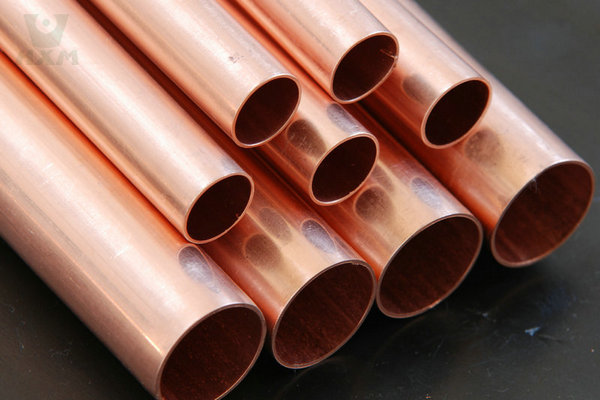
Copper tubes are widely used in many industries due to their excellent durability, corrosion resistance, and thermal and electrical conductivity. Copper tubes can be divided
High Carbon Steel: High carbon steel mainly contains a high proportion of carbon (usually between 0.6% and 1.7%), in addition to small amounts of elements such as silicon, manganese, sulfur, and phosphorus.
High carbon steel: Good machinability, but care must be taken to control the processing temperature to avoid reducing hardness and strength due to overheating.
Compared with conventional materials, high-carbon steel is harder. Carbon is the main element that determines the performance of steel because changes in carbon content directly cause changes in crystal structure. As the carbon content increases, the strength and hardness of the steel increase.



 18581906093